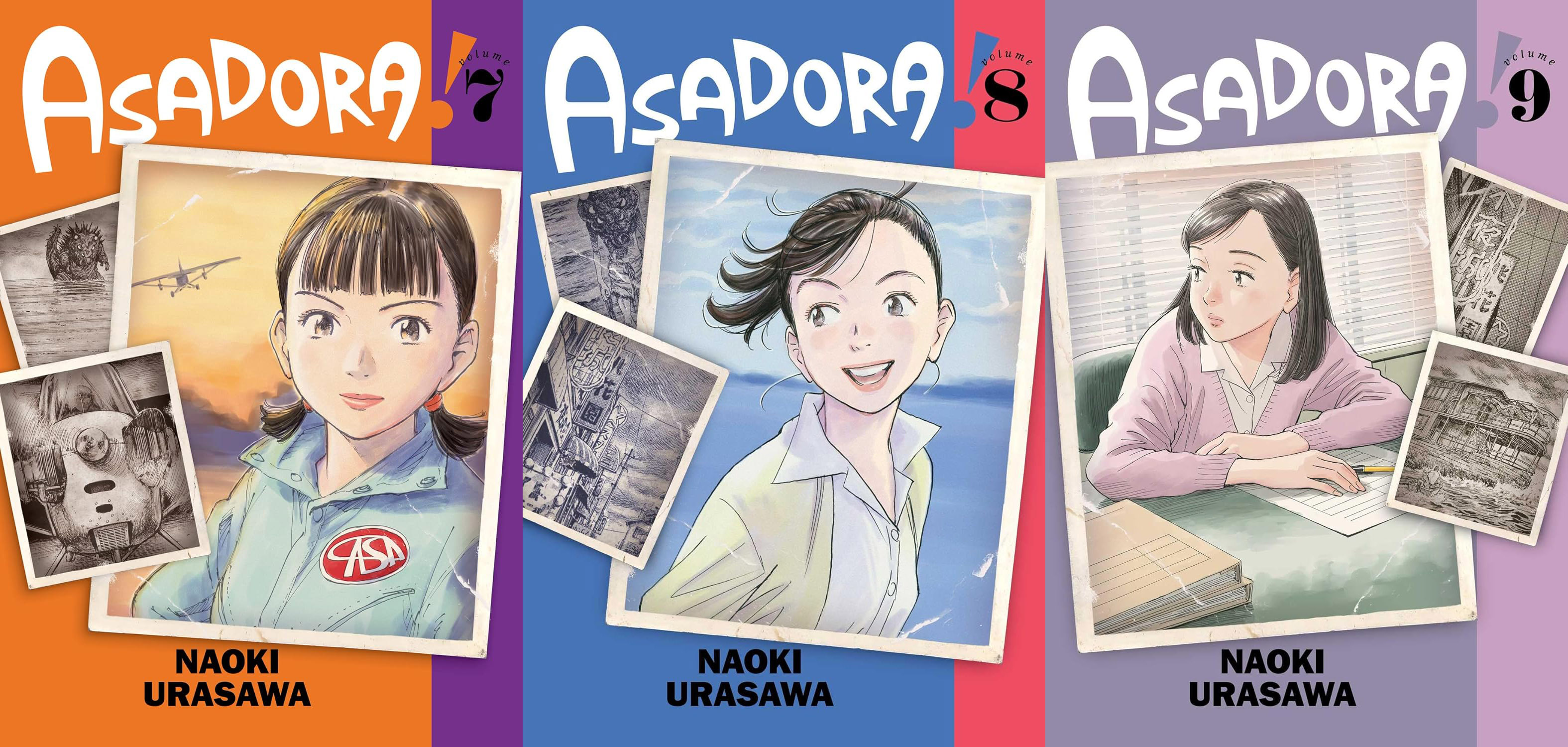

Asadora! by Naoki Urasawa
Volumes 4-6
Review by David Cirone

As Asadora! Volume 4 begins, we’re clear of the historical exposition that weighed so heavily on Volumes 1-3. Asa and Kagura have accepted their mission to stay on guard for the mysterious monster, though their new boss Colonel Shissoji is noticeably more worried about saving the 1964 Tokyo Olympics than saving lives.
Now living in Tokyo, 17-year-old Asa has a complicated life: piloting her aircraft-for-hire to scare up advertising revenue, helping in Kinuyo’s new restaurant, managing her three remaining siblings, and going to high school on top of it all. Her best friends Yone and Miyako are obsessed with becoming pop singers (in the tradition of 60s icons The Peanuts), leading them into a mess of trouble on their own.
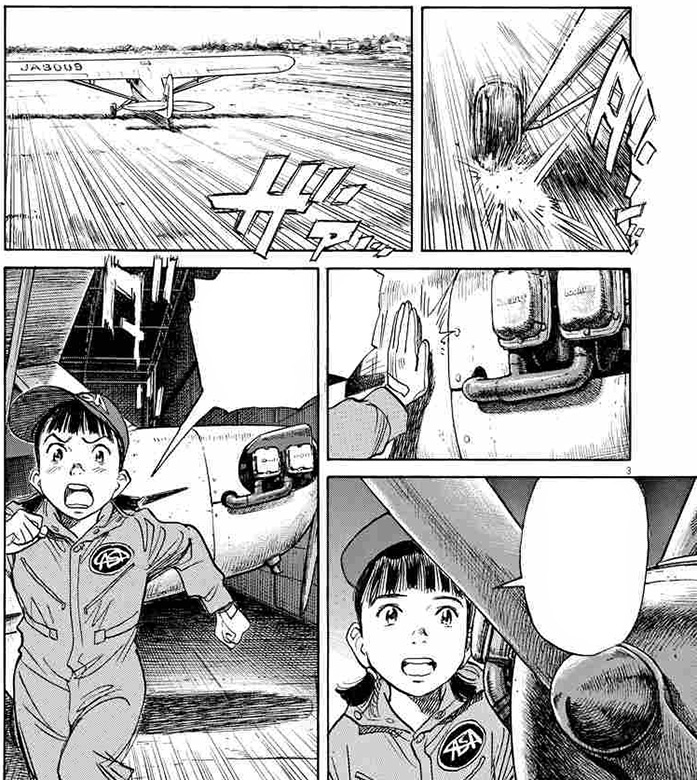
Asa has to improvise solutions on her own, showing off the spunk and intelligence that makes her deserving of main character status.
The entirety of Volume 5 is dedicated to just over an hour of action, covering multiple locations and situations. This is where we see Urasawa’s storytelling technique in high gear, making choices that keep the reader hooked into a state of jeopardy. Cutting between scenes halfway down or across the page, bringing in sudden flashbacks, and delaying our urge to rush to the climax, which deepens our investment in the characters. I mentioned in my review of the earlier volumes that Urasawa is deliberately taking his time with this story, and while the action gets pretty intense in this section, we don’t get payoffs in the way we might expect.
We don’t have to wait too long for some monster action, though. To balance out the quieter character moments, we get a big-budget, large-scale fight scene when Asa gets her confrontation with the monster sooner than she planned. (Hint: big, big teeth!) Without Kasuga to guide her, she has to improvise solutions on her own, showing off the spunk and intelligence that makes her deserving of main character status.
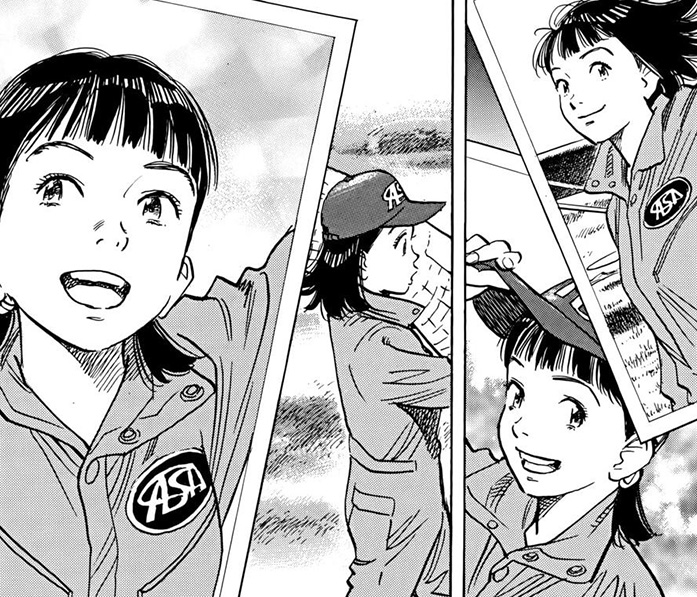
Yone’s near-miss encounter at a skeevy talent agent meeting is the highest moment of tension so far. We watch this young girl, blinded by her dreams of fame, go deeper and deeper into a bad situation, and we can only pray something or someone can save her. Luckily, one of Urasawa’s colorful supporting characters comes to the rescue at the last minute (spurred on by Asa). That meeting leads to strange consequences for Miyako, who meets a pair of female wrestlers at their training gym.
So far, Asadora! belongs to the girls. Of course, we expect the title character to carry the highest level of emotion (Asa is always cranked up to “10”), but none of the male supporting characters bring any fire or urgency of their own. Sho, obsessed with his Olympic goals, is disconnected from Asa’s actions in a way that the other characters are not. Asa’s journey to defeat the monster and bring out the best in everyone has a domino effect on everyone but Sho. I trust Urasawa to bring this connection together eventually, but I feel the energy shift when a Sho episode starts. Poor young researcher Keiichi Nakaido is another casualty of Asa’s oblivious love triangle. He simply gets lost in Asa’s shadow.
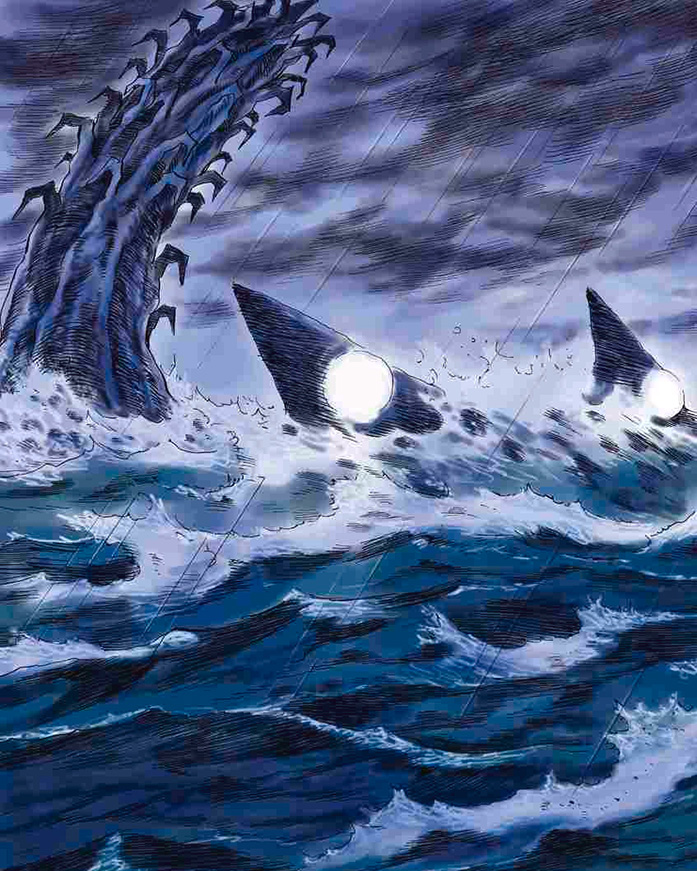
Asa’s journey to defeat the monster and bring out the best in everyone has a domino effect on everyone.
Yone’s struggle is quite moving. With very little dialogue, Urasawa depicts delight, nervousness, and naivete in her face and eyes, and even a bit of humor when she squints without her glasses. Kagura also finds a moment of unexpected courage when he gets in a strange car accident protecting Asa and her mission. For all his gruffness, Kagura is really a kind soul under his bravado.
NOTES: Urasawa’s attention to the small analog details of the Asa’s single engine plane is one of the cool things about reading Asadora! He never forces this on us, but little by little we’re led to understand Asa’s emotional attachment to the aircraft. His use of pure black during a night scene was really scary.
VIDEO: We get a nice callback to Urasawa’s song “It’s Because I Love You” right in the middle of a big action scene. It’s fun to play it on your headphones to imagine the music in Asa’s head.
Previous: Read our review of Asadora! Volumes 1-3
Next: Read our review of Asadora! Volumes 7-9
Images: Viz Media / Shogakukan
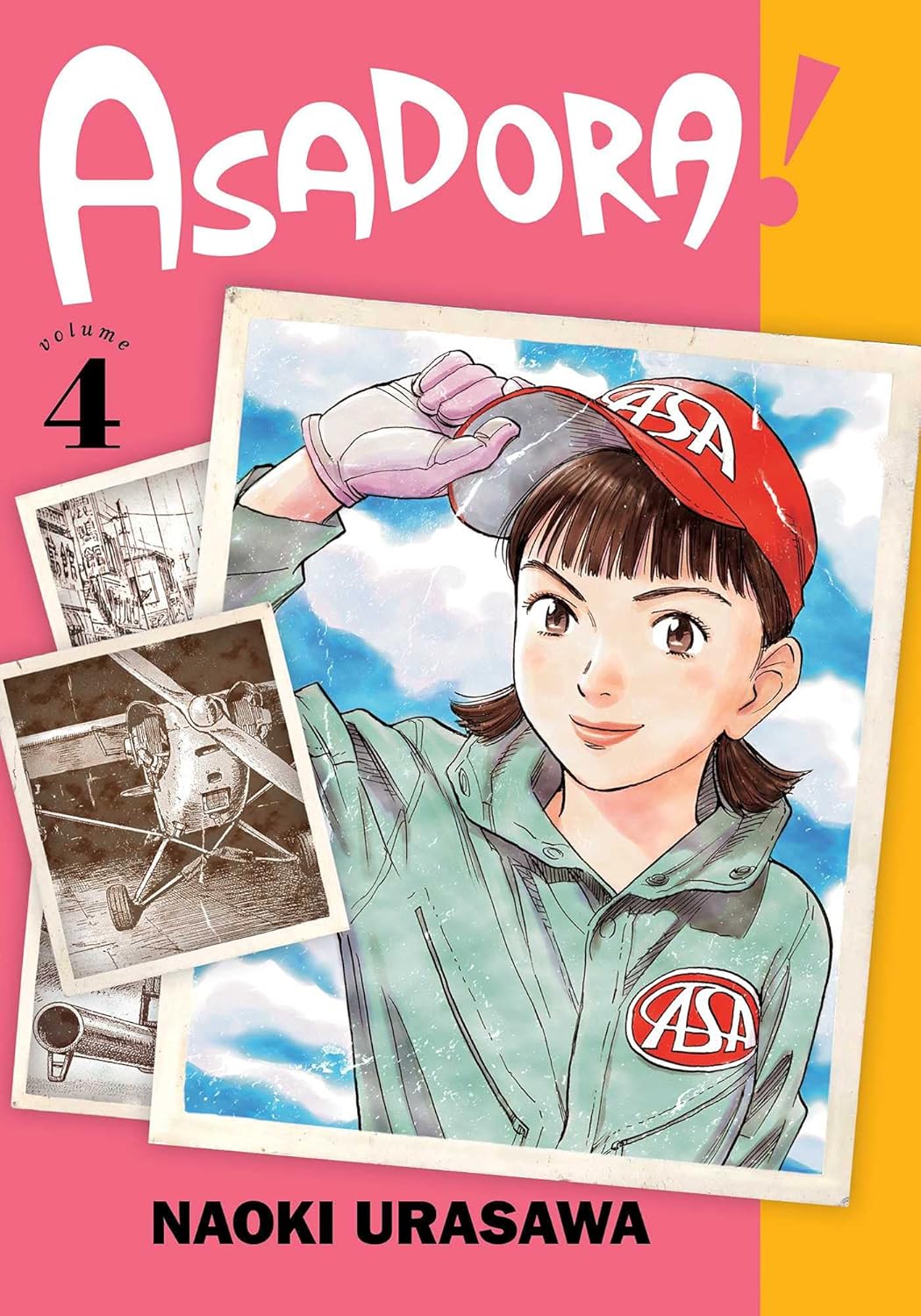
Asadora! Vol. 4
Buy on Amazon!
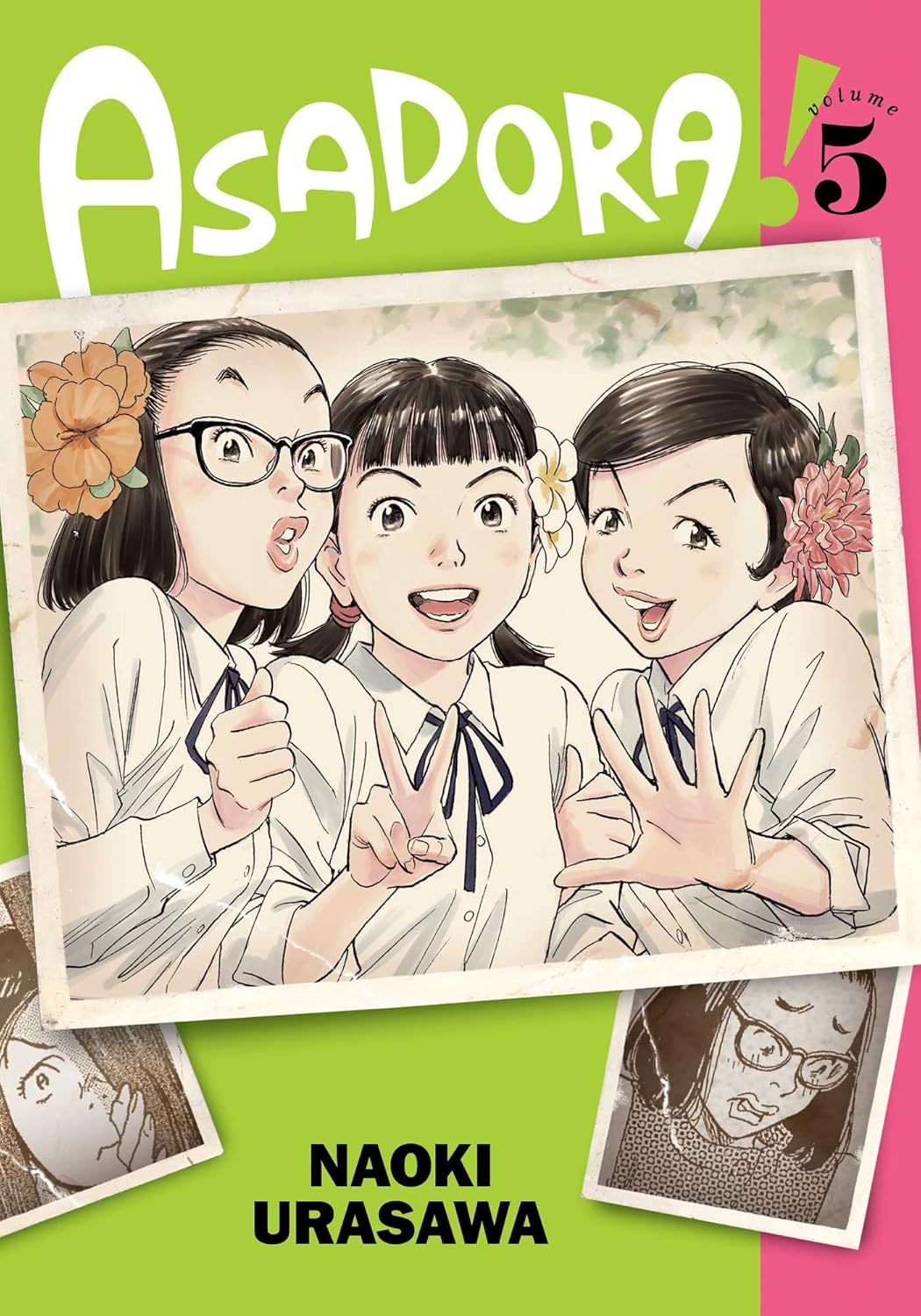
Asadora! Vol. 5
Buy on Amazon!
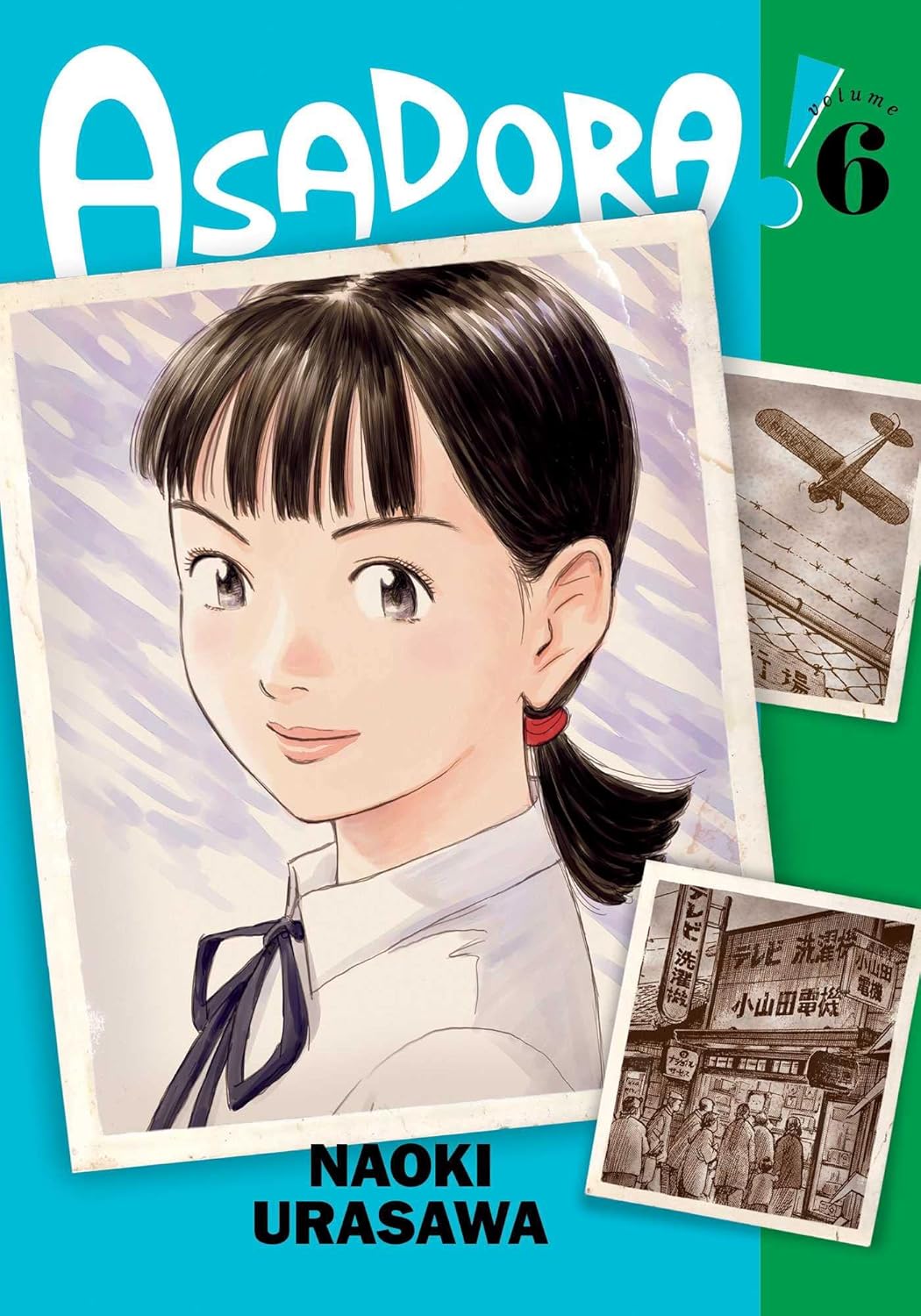
Asadora! Vol. 6
Buy on Amazon!