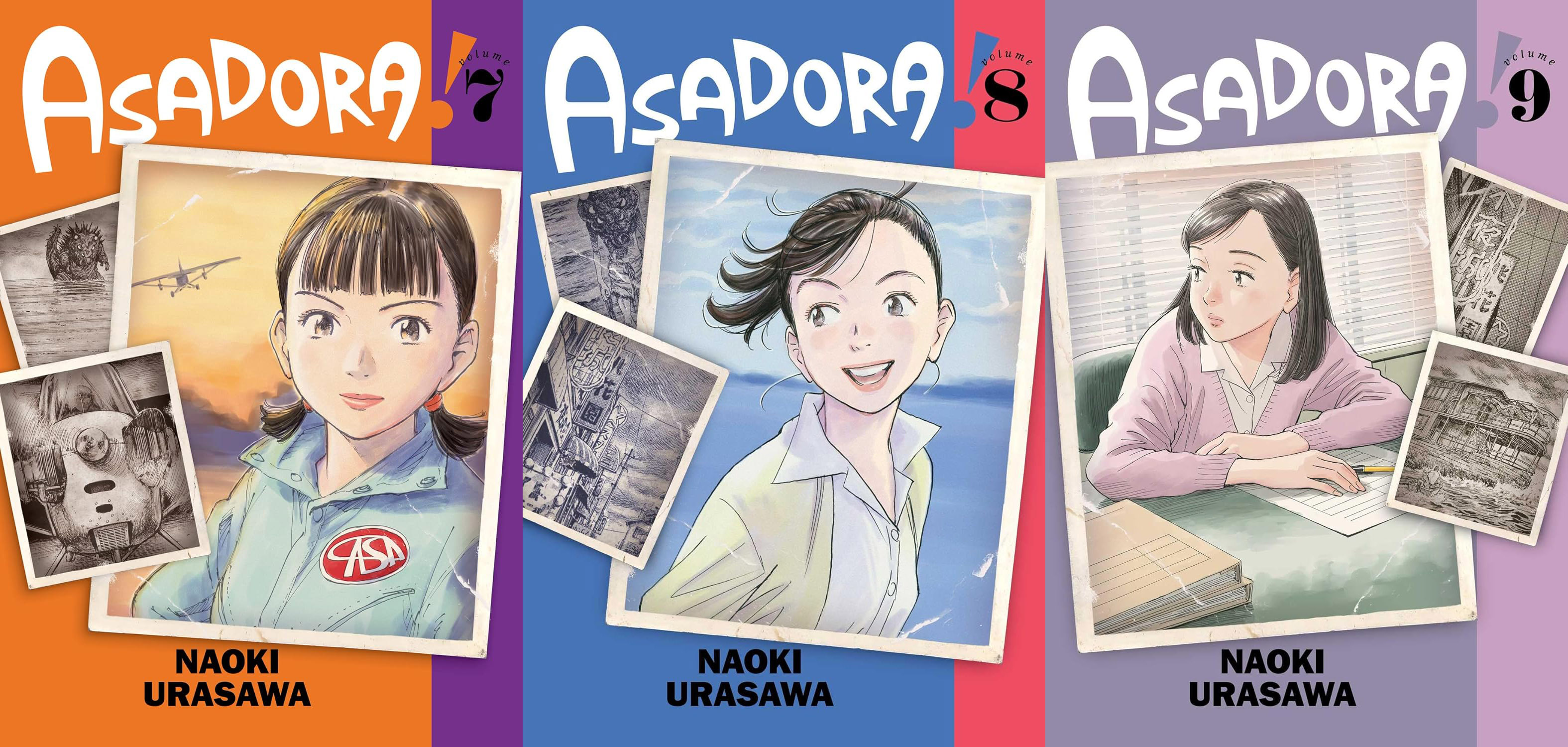

Asadora! by Naoki Urasawa
Volumes 1-3
Review by David Cirone
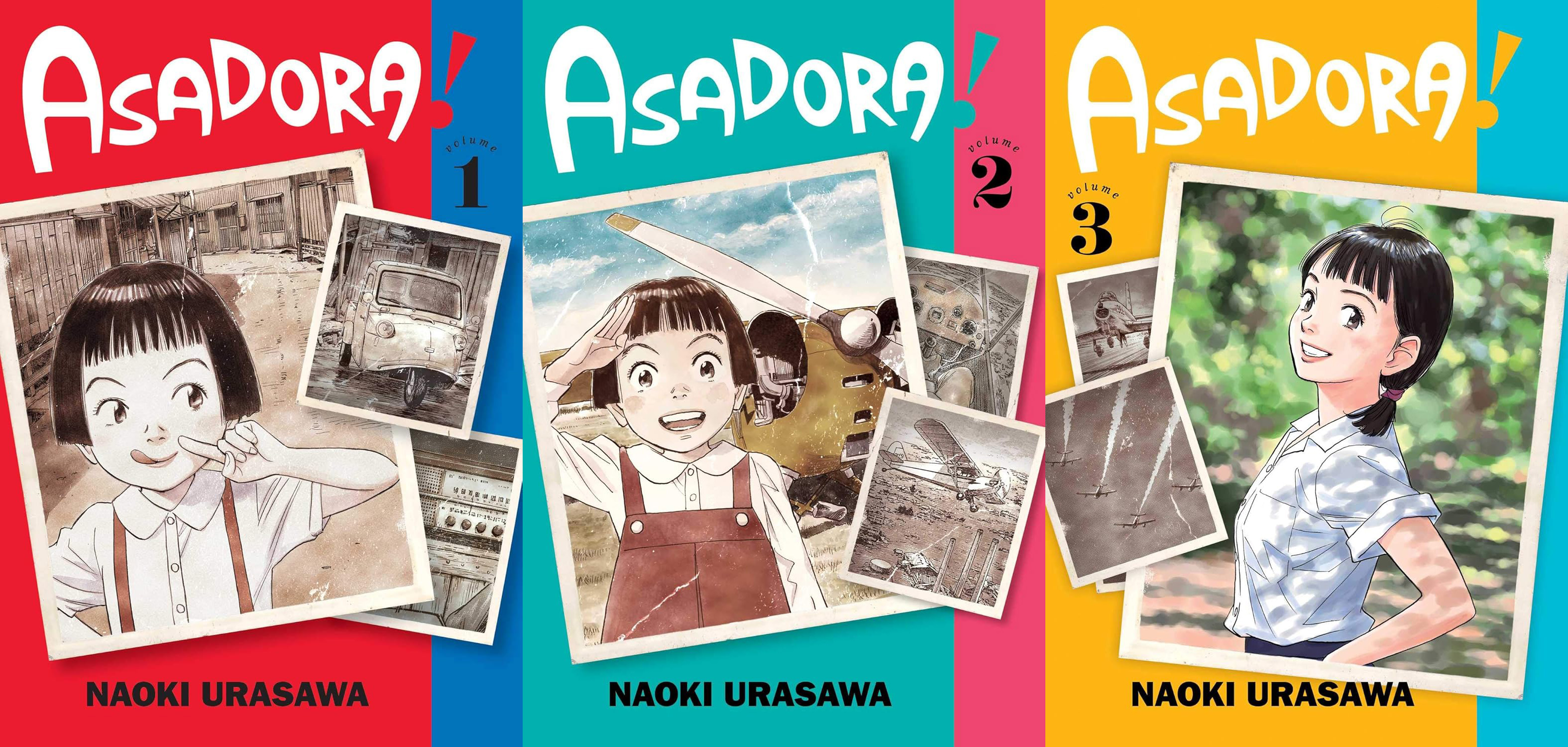
Naoki Urasawa’s latest manga series Asadora! brings together many familiar elements of the creator’s beloved series. Fans of his previous works will recognize the excited youthful personalities, the mysterious monster playing havoc with the weather, and the sharply-written, sometimes tragi-comic supporting characters that we’ve seen in acclaimed stories like Pluto, 20th Century Boys, and Monster. Even the time-spanning portrait covers and exclamation point are callbacks to Yawara! (1986).
What makes this series different is the delicate balance Urasawa strikes between dramatic action and deliberate character study. This is a master storyteller who has decided to take his time. Even though the series lacks the urgency and dread that were so present in previous works, Asadora! is so full of genuine emotion that it demands a slower pace. Perhaps that’s on purpose, an attempt by the author to make us take our time and enjoy (or at least appreciate) when the story lingers on the rich historical and environmental details.
Asadora! is so full of genuine emotion that it demands a slower pace.
Beginning with the true-life event of Typhoon Vera, which devastated Nagoya in 1959, young Asa Asada begins an unpredictable adventure when she’s kidnapped by desperate WWII veteran pilot during the middle of the storm. They form a relationship that lasts for years as they navigate personal struggles and investigate a mysterious monster which threatens Japan leading up to the 1964 Olympics.
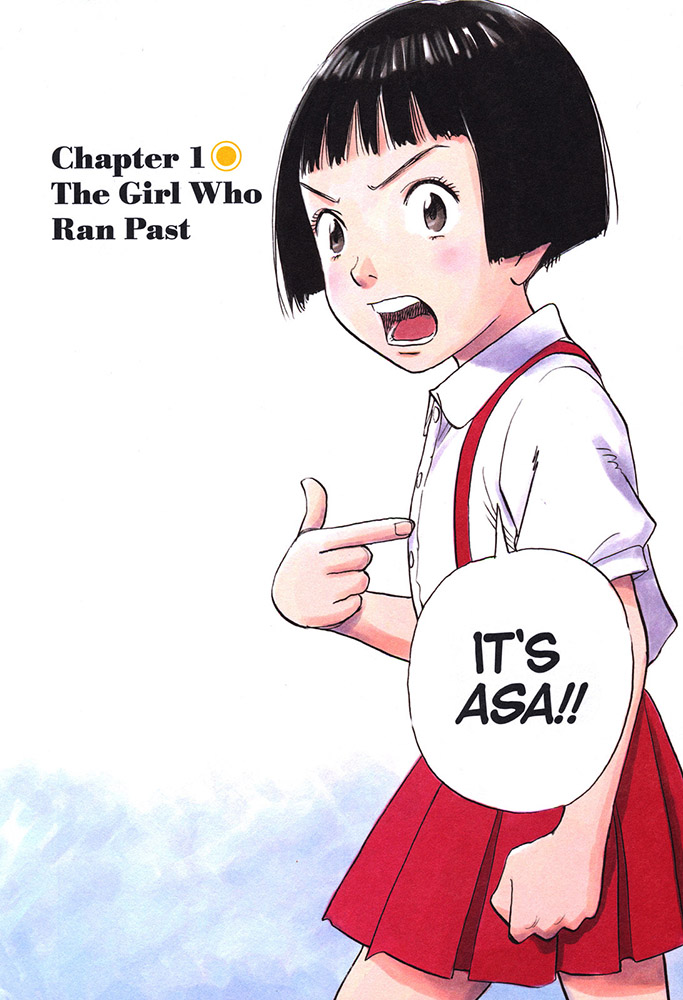
In Volumes 1-3, Asadora! uses Asa’s spunky, pure-hearted personality to pull various colorful characters into her world and her mission to do good things. During my first read, I felt dissatisfied with Asa’s simple characterization. Her hot temper is cute and often funny, but she doesn’t have the complexity I appreciated so much in protagonists like Kenji (20th Century Boys) or Dr. Tenma (Monster). After my second read, I appreciated her more, realizing that this young character (12 at the beginning of the story) is so desperate to stand out (her parents don’t even remember her name or miss her when she’s out of the house) that pushing everyone around her to “do the right thing” is the only way she can make a difference.
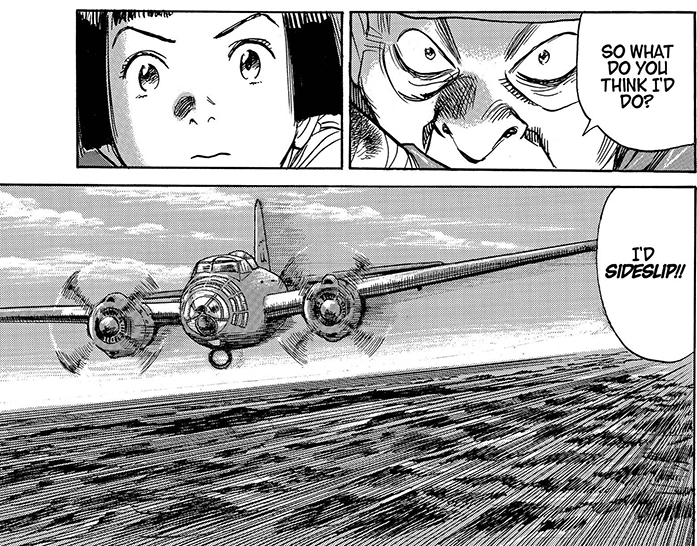
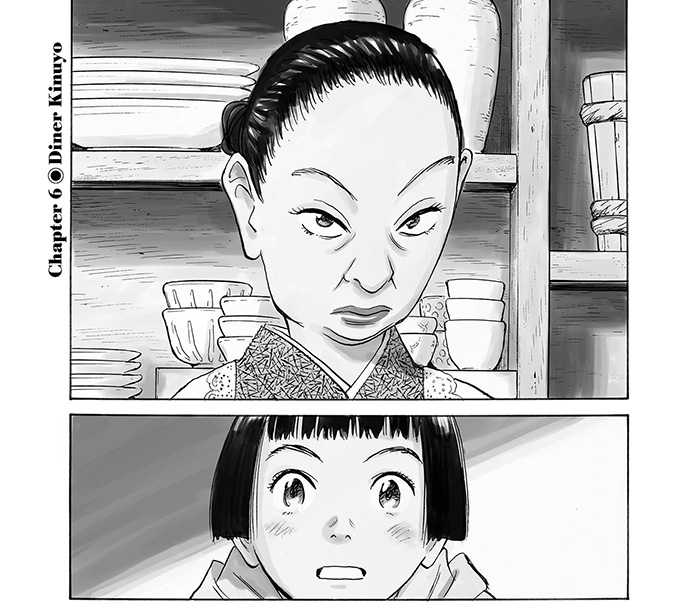
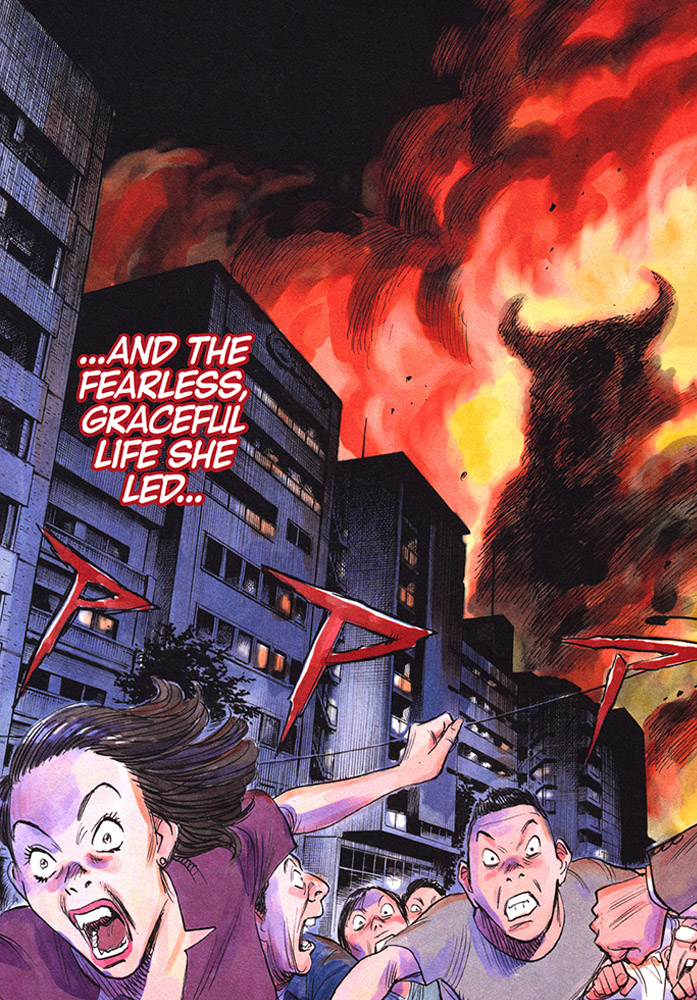
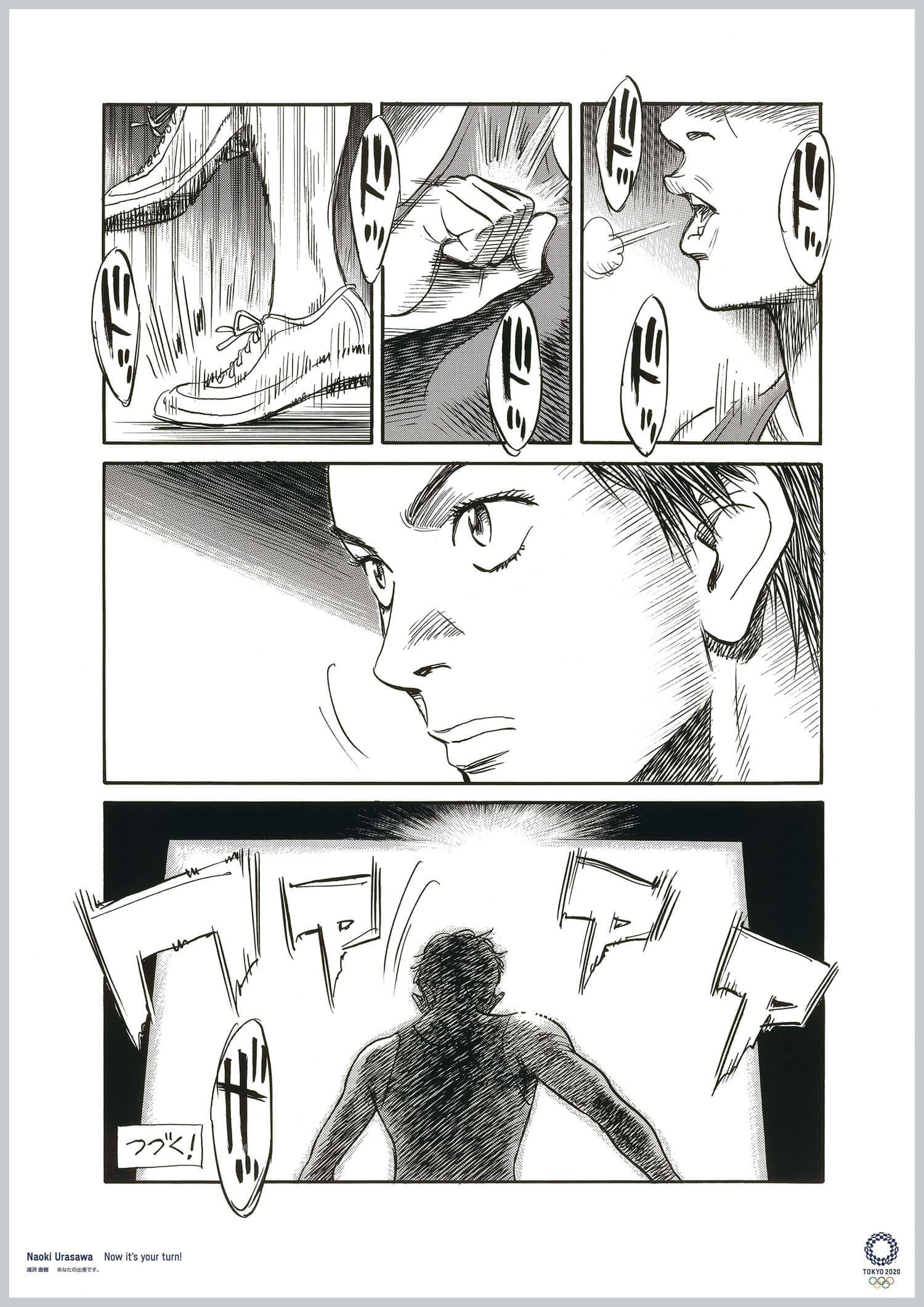
The best feature, as always, is Urasawa’s expert command of facial expressions, with vividly rendered joy, fear, frustration, and laughter.
By anchoring Asa as the series’ moral center, Urasawa gives himself room to make her supporting cast more extreme and interesting. Kasuga’s story, revealed to Asa as they weather the storm, is both exhilarating and heartbreaking, and his flashback naval battle scenes are truly cinematic. Kinuyo, who grumbles and scowls her way through providing aid for the typhoon victims, is comedy gold (not too far from Kung Fu Hustle‘s smoking landlady Yuen Qiu). Asa’s teenage friends Yone and Miyako, blindly rushing towards dreams of pop singer stardom, are both obsessive and endearing.
Asadora!‘s early first chapters yield several “wow” visuals, including beautiful double-page spreads of Kasuga’s single-engine plane and the wrecked landscape of the Port of Nagoya. We get nice smaller moments, too, where Urasawa sends our focus to complex aerial machinery or the corners of a small restaurant.
The best feature, as always, is Urasawa’s expert command of facial expressions, with vividly rendered joy, fear, frustration, and laughter. Urasawa said he wanted to create a character who would give readers hope, and you see that emotion in Asa’s eyes most of all.
Notes on the English edition by Viz Media: There are two things I really like about these “Viz Signature” volumes — (1) The “French flaps” design of the cover adds durability and class to each book, making it feel “special”; (2) I appreciate the historical notes in the back of the book which add context to some of the cultural references. Asadora! piles on a lot of history in its narrative, but these extra points deepen the experience.
Next: Read our review of Asadora! Volumes 4-6
Images: Viz Media / Shogakukan
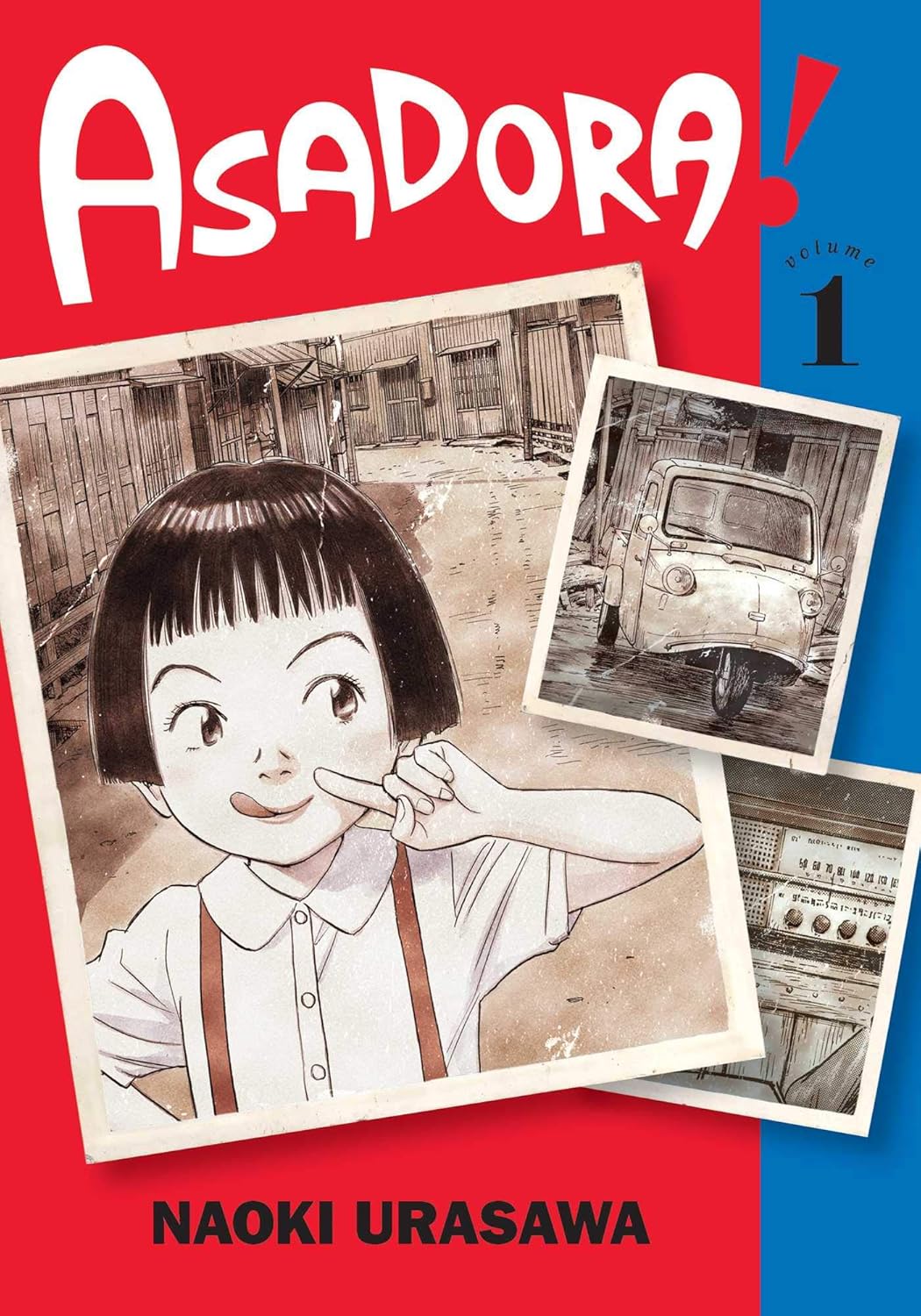
Asadora! Vol. 1
Buy on Amazon!
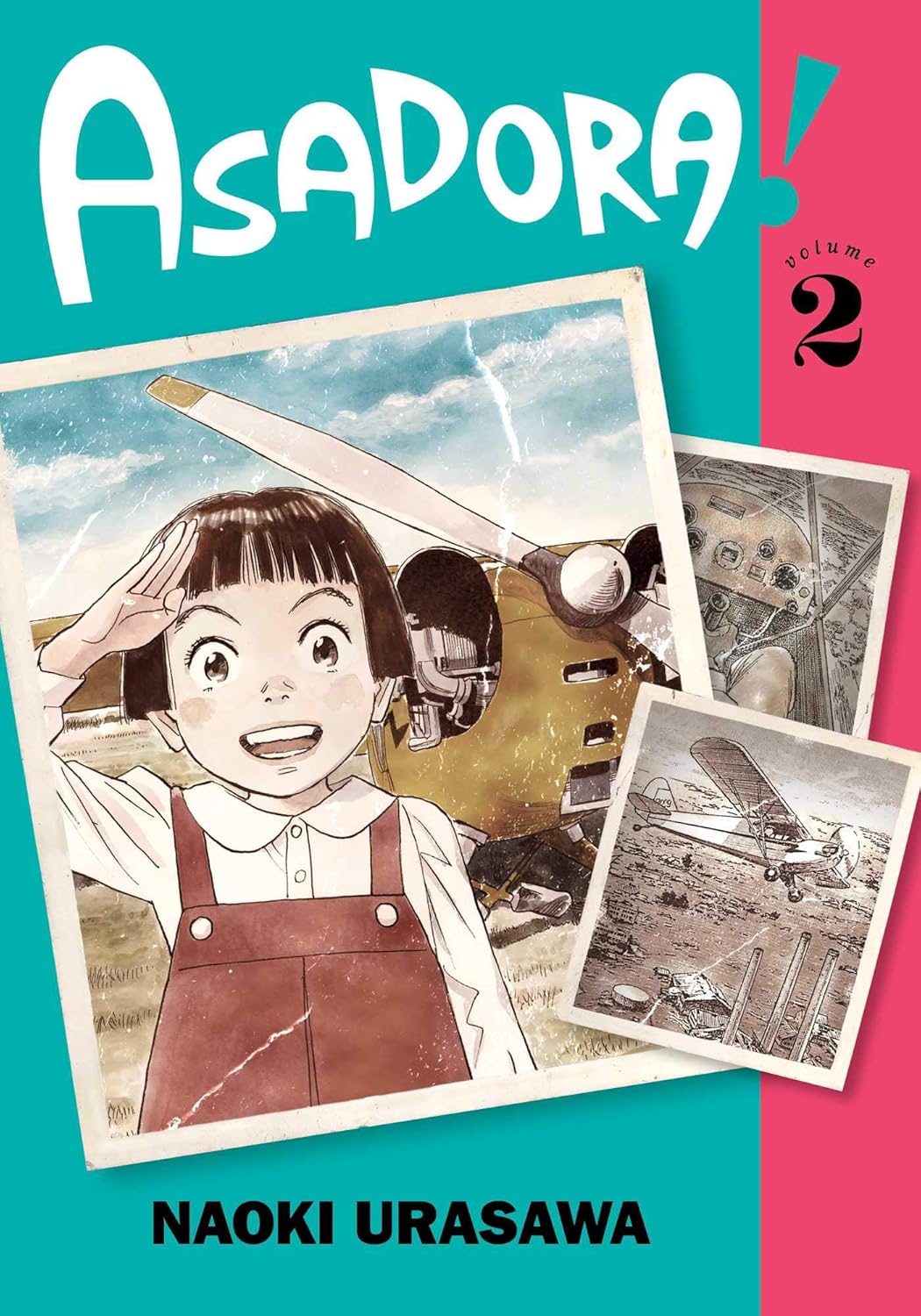
Asadora! Vol. 2
Buy on Amazon!
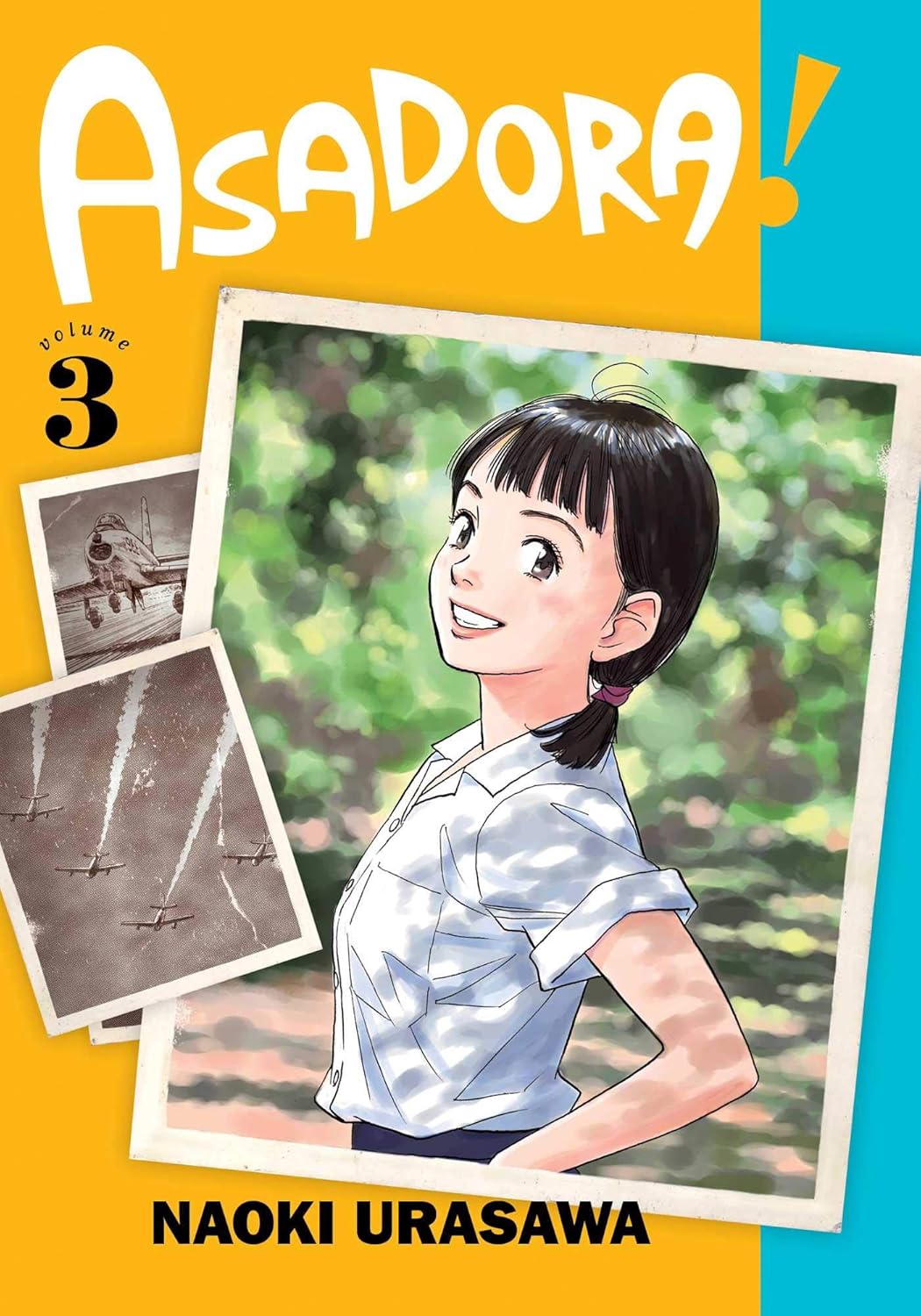
Asadora! Vol. 3
Buy on Amazon!