
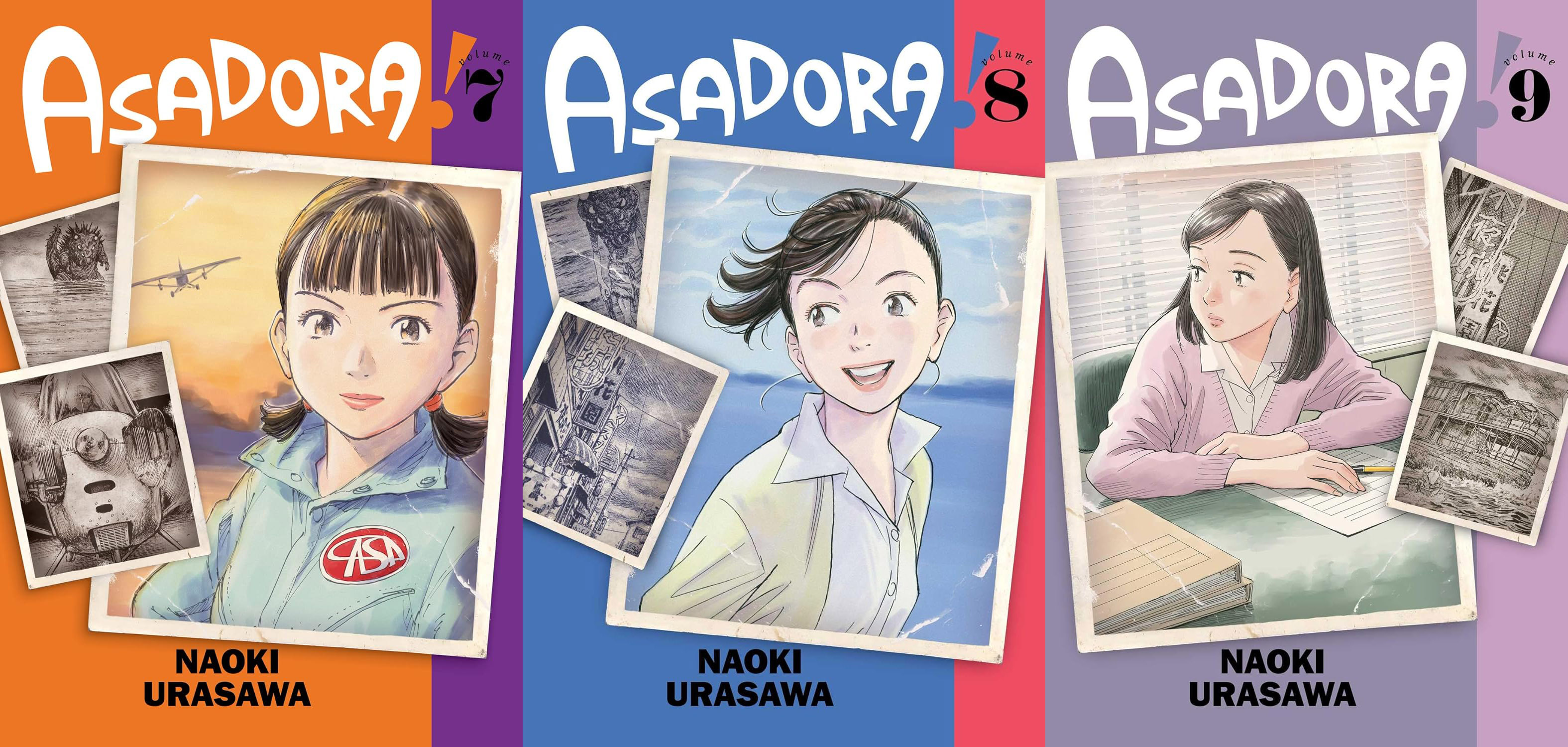
Asadora! by Naoki Urasawa
Volumes 7-9
Review by David Cirone
Warning – spoilers ahead. To catch up on Asadora!, check out our reviews of previous volumes:
Asadora! Volumes 1-3 Review
Asadora! Volumes 4-6 Review
Reading Asadora! is a unique experience for me — it’s the first ongoing Urasawa series that I’ve had the chance to read in real time as it’s published. My previous deep dives into Monster and 20th Century Boys came after each series had already been completed, so I didn’t have to wait long between chapters. Viz Media’s English adaptation of Asadora! began in January 2021, putting out six volumes in less than two years.
Beginning with Volume 7, Urasawa has produced the manga at a rate of (roughly) one book a year, so it’s a strange new experience as a reader. When Volume 9 was published this January, I took the opportunity to re-read the story. This gave me a fresh perspective on Asa’s adventures, but I hope the series isn’t going to maintain this once-a-year pace. Urasawa has mentioned how much he’s enjoyed doing the background work himself (which would usually have fallen to his studio assistants) and that he regrets the slow pace that results with his hyper-focused attention to detail.
The world of Asadora! is so authentic and richly defined, it fully transports us back to 1960s Japan.
You can’t argue with the results, though. The world of Asadora! is so authentic and richly defined, it fully transports us back to 1960s Japan. (In the day-to-day “neighborhood” scenes, I recommend finding a 60s Japanese Pop Hits playlist on your streaming app for background music.) Urasawa puts an amazing amount of humanity into everyday environments like a beachside train station or a Shibuya alleyway — these places feel lived in and real.
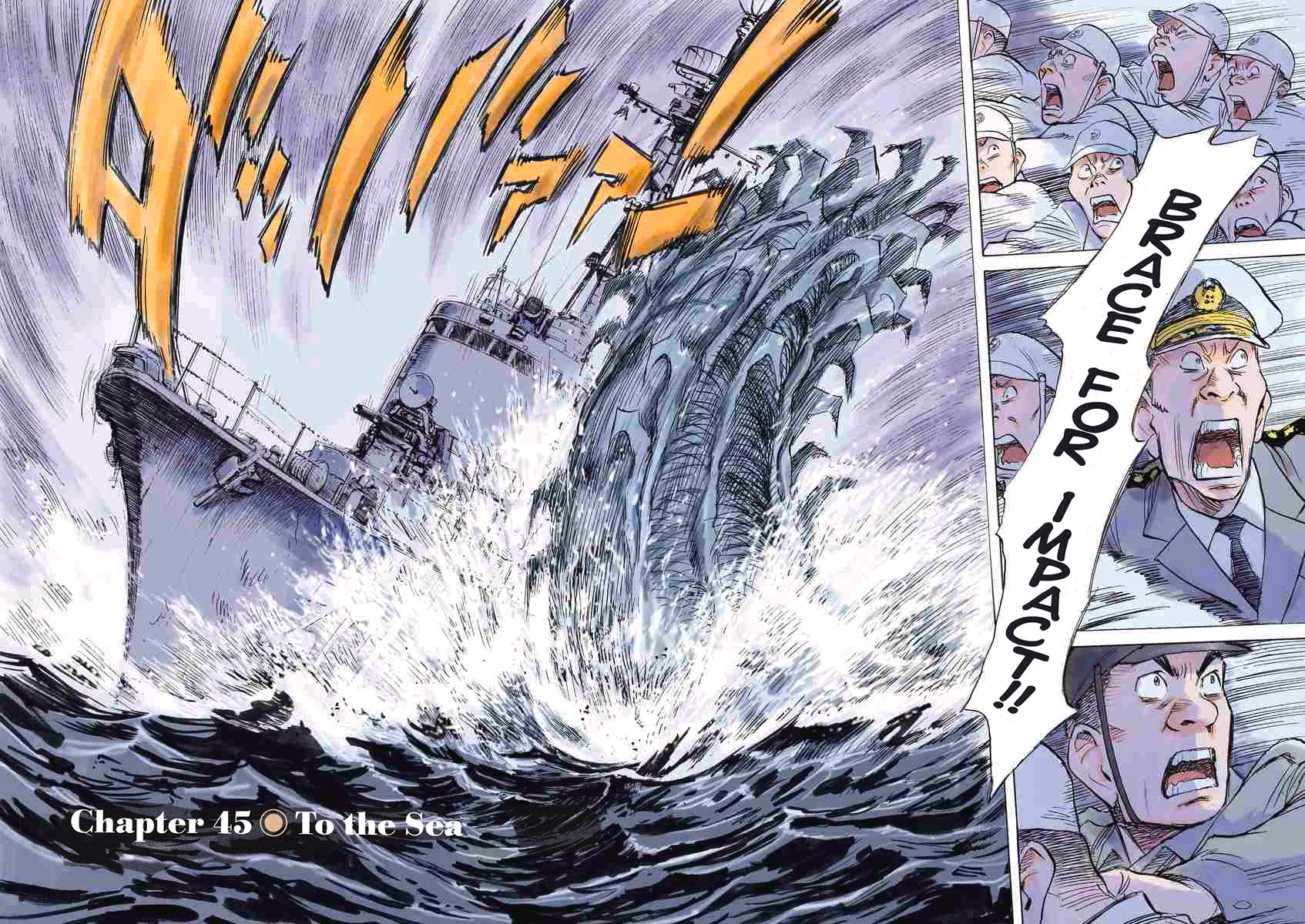
Volume 7 brings us another extended action scene, stretching through nearly the entire book. Asa and Kasuga have a moment of bravery defending Tokyo from a new monster attack, while Sho simultaneously hits an all-time low. The juxtaposition between young Asa’s determination and Sho’s desperate failure is a strong storytelling choice, especially when their journeys have been kept separate for so long. The look on Sho’s face is heartbreaking, and the unpredictable consequence of his choices is wild and exciting. This is where we get the series’ biggest fight scene yet.
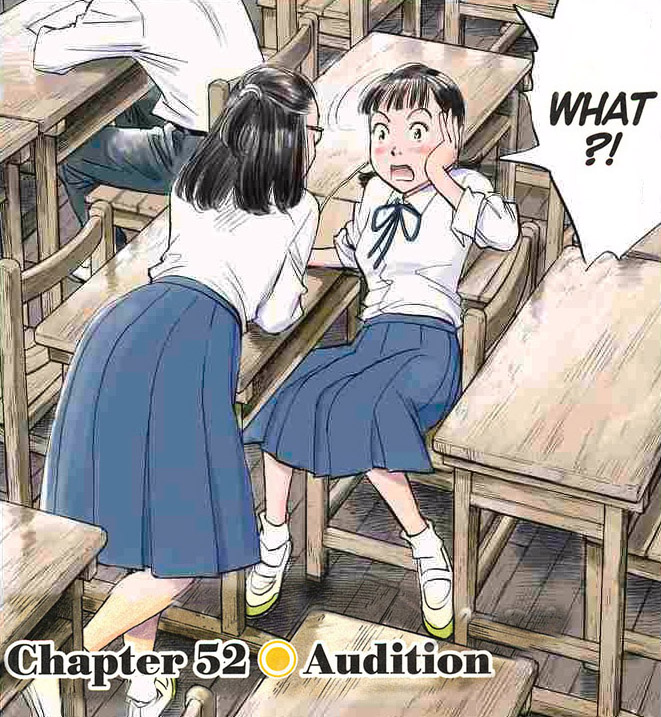
With the monster once again defeated, Volume 8 turns its attention to the supporting cast. Yone finds the courage for her music label audition, vamping it up in her new “Marilyn” persona. Cheered on by Asa and Miyako, she nabs a recording contract that will surely make her a star…right?
Urasawa pulls another fast narrative move and jumps forward four years to 1968. Asa is now 21 and running her small business, complete with a business suit for meetings and a staff mechanic to take care of her aircraft. And no sooner than we got to see Yone take her first step toward fame, after just four short years, her career is over and she’s the center of a film industry scandal. Asa is constantly on watch for more monster sightings, having battled her mysterious enemy several more times over the years. As the strife in Vietnam intensifies, the Japanese government is even more determined to keep her offshore battles a secret.
Things get even more political in Volume 9 when Asa accidentally runs into the young American who wrote her favorite song. Their “meet-cute” dialogue, in broken English and Japanese, is cute and endearing, but things take a turn when Asa learns he’s a US Army deserter hiding from the Vietnam conflict.

Asadora!’s inclusion of political issues anchors the story in a period of economic transition and social change.
Asadora!‘s inclusion of political issues is one of the elements I appreciated more in this series re-read. This story wouldn’t be the same if it began in modern times. There are small visual clues in the background that show Japan’s focus on rebuilding — gradual changes to store decorations and street signage, glimpses of cranes and building construction, or the stacked cement pipes where Sho scores his first hallucinogenic pills. None of these call attention to themselves, but they anchor the story in a period of economic transition and social change.
The move to 1968 made me flip back to Volume 1 to check the timeline. We’re told right from the start that Asa’s story continues through (at least) 2020, so get ready for more time jumps. Urasawa has said that he’s only just begun telling the core story he has planned, so there’s a lot of ground left to cover.
Video: Naoki Urasawa demonstrates how he designs supporting characters from Asadora! (with English subtitles)
Note: Careful readers will spot a few homage moments in these volumes: Asa leaps from a wall in the classic pose of The Girl Who Leapt Through Time; Asa’s attempts to live a normal high school life while piloting a machine to save the world is reminiscent of Evangelion; and fans of the large-scale action in Pluto and Ultraman will be happy.
Note: We finally get Kinuyo’s story of her husband’s tragic past, explaining her unwavering dedication to protecting Asa from danger. Urasawa teased us with this detail three years ago, and I hope we get more Kinuyo in the next chapters.
Images: Viz Media / Shogakukan
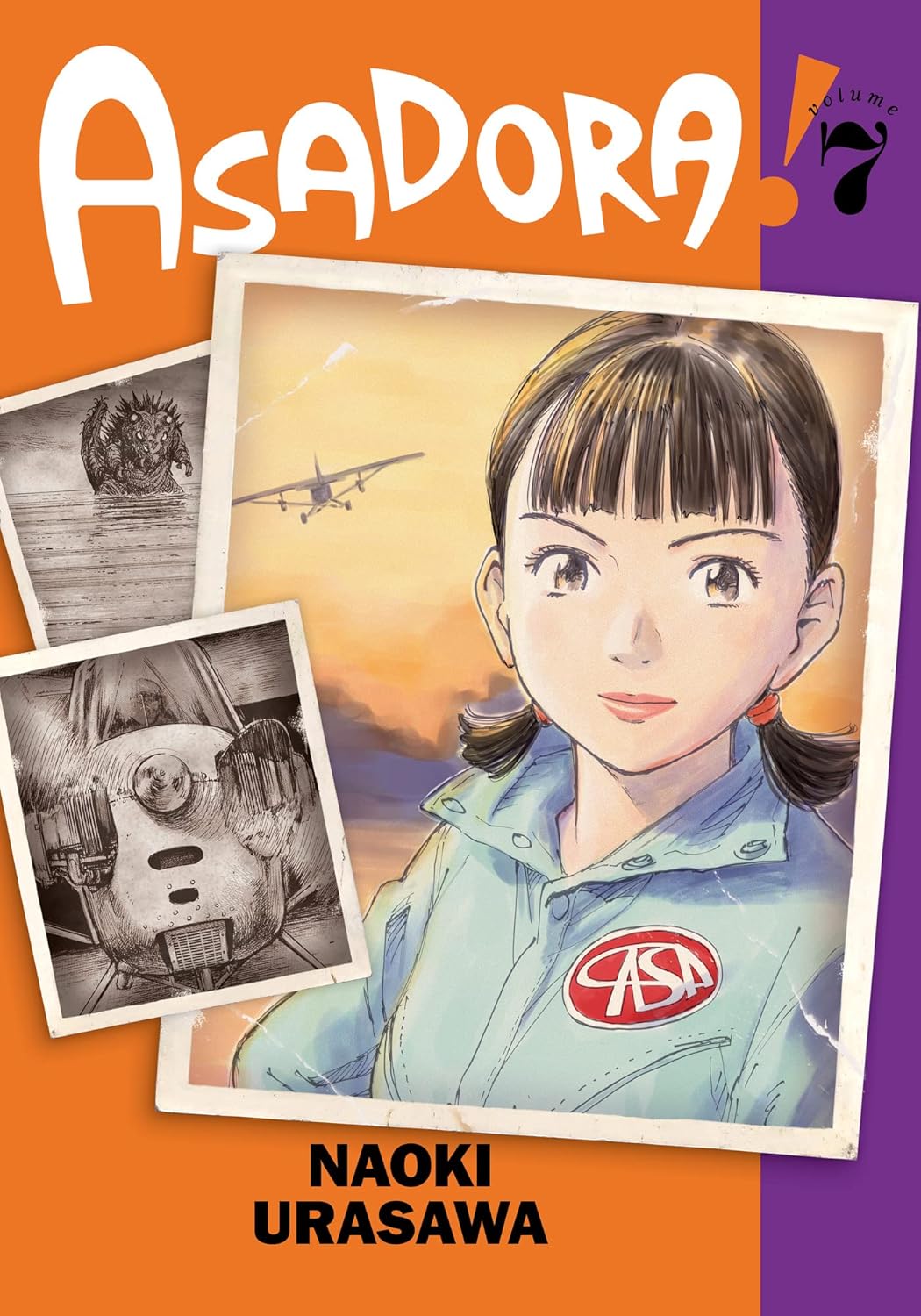
Asadora! Vol. 7
Buy on Amazon!
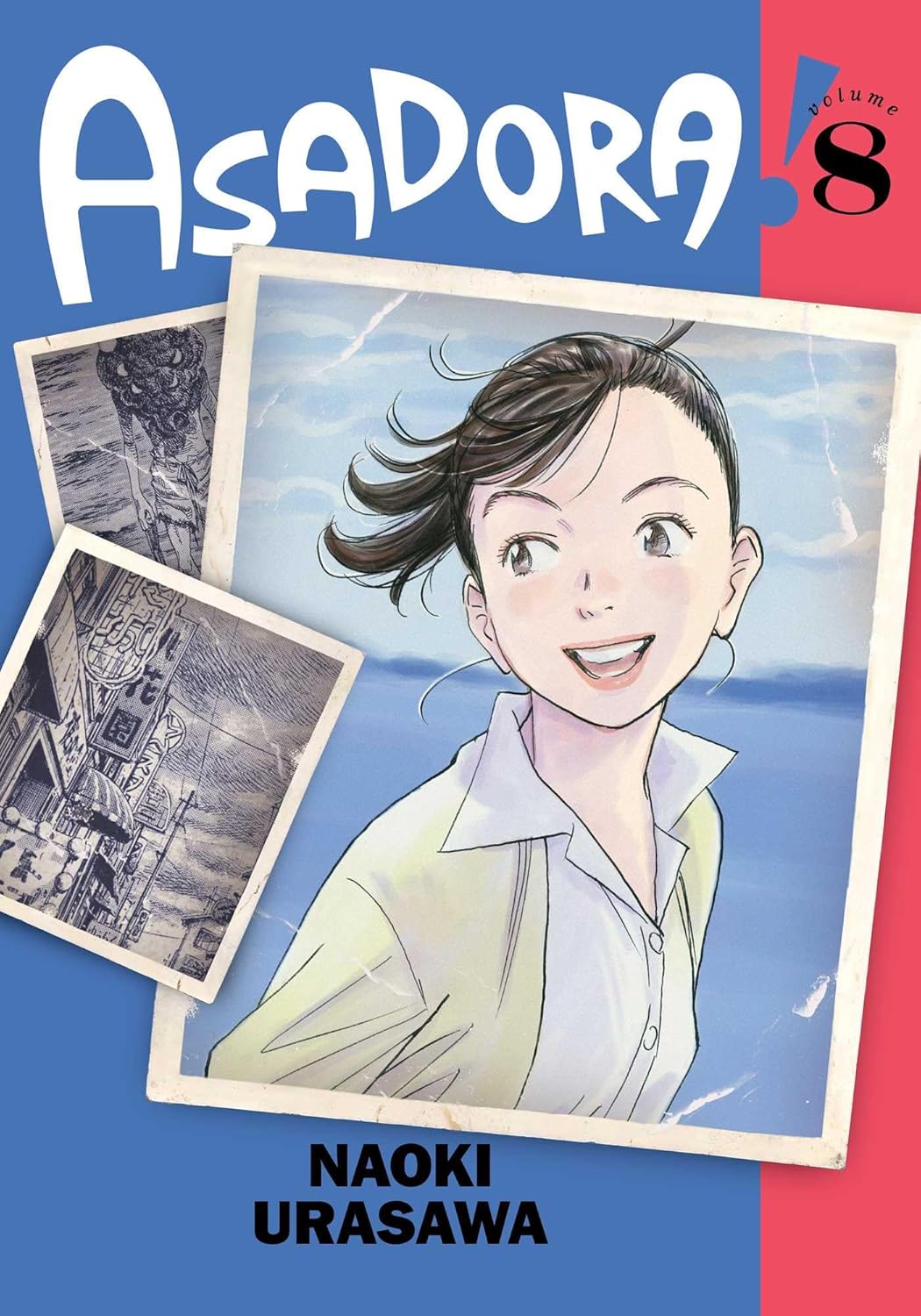
Asadora! Vol. 8
Buy on Amazon!
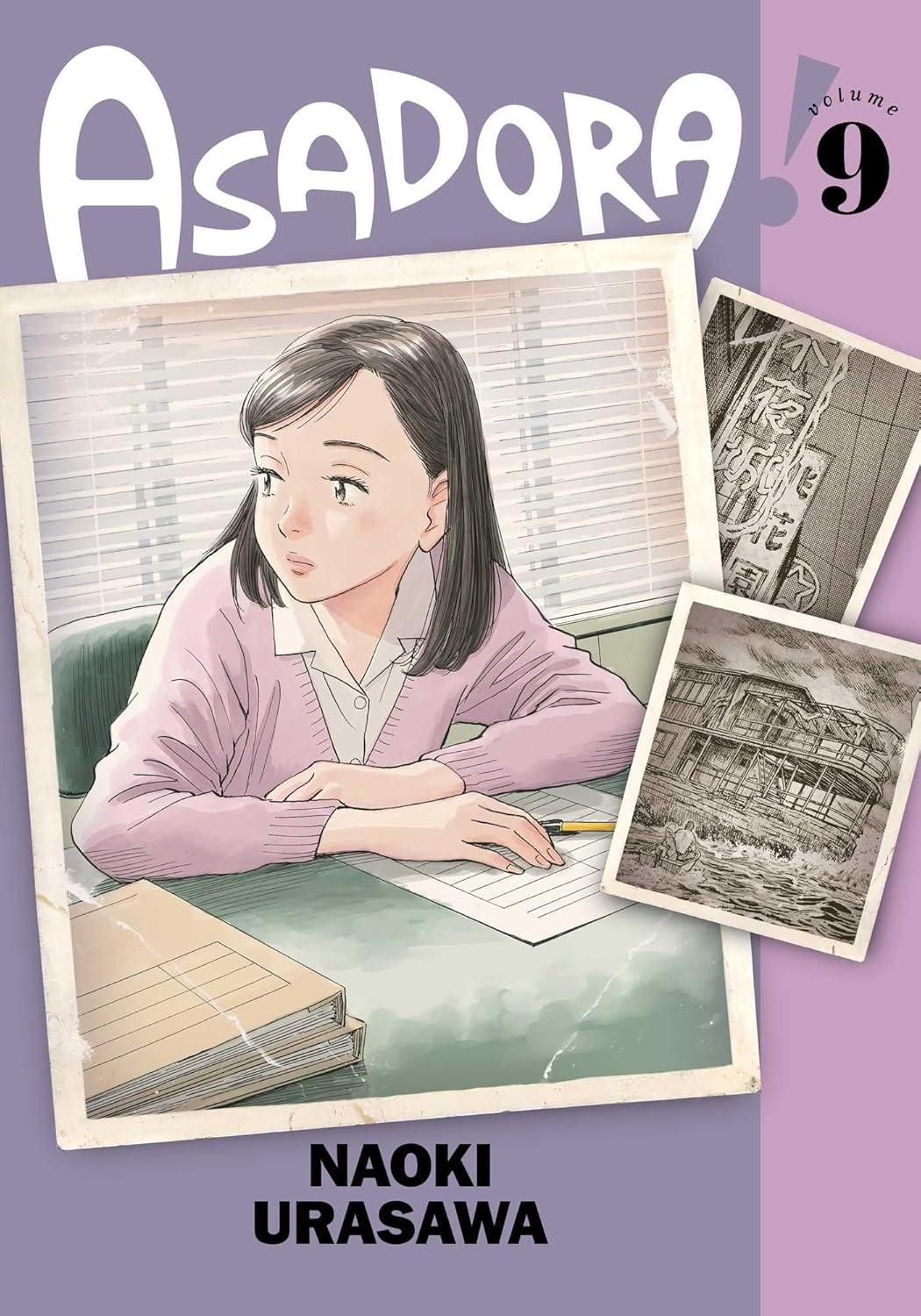
Asadora! Vol. 9
Buy on Amazon!